

Introduction: Understanding Your Blood Pressure Is the First Step Toward Better Health
Your blood pressure plays an important role in your overall health, but it is not always something you can feel or recognize without measuring it. High blood pressure, also known as hypertension, can develop without noticeable symptoms while gradually increasing the risk of heart disease, stroke, and kidney damage.
The good news is that high blood pressure can often be managed with appropriate medical care, regular monitoring, healthy lifestyle habits, and medication when needed.
Understanding your blood pressure numbers, recognizing your personal risk factors, and following a consistent care plan can help you take a more proactive approach to your health.
At Ivaa Wellness & Healthcare Clinic, our patient-centered approach emphasizes health education, individualized care planning, appropriate follow-up, and helping patients understand the steps they can take to support their long-term wellness.
Whether you have recently received an elevated reading or have been managing hypertension for years, this guide explains what high blood pressure means and how you can work with a healthcare professional to manage it.
1. What Is High Blood Pressure?
Blood pressure measures the force of blood pushing against the walls of your arteries as your heart pumps.
A blood pressure reading contains two numbers:
- Systolic pressure: The top number measures the pressure in your arteries when your heart contracts.
- Diastolic pressure: The bottom number measures the pressure when your heart relaxes between beats.
For example, a reading of 120/80 mm Hg means a systolic pressure of 120 and a diastolic pressure of 80 millimeters of mercury.
For nonpregnant adults, commonly used American Heart Association categories include:
These categories are useful for understanding blood pressure readings, but a single measurement does not necessarily establish a diagnosis. A healthcare professional considers repeated measurements, your medical history, and other risk factors when determining whether you have hypertension and what treatment may be appropriate.
2. What Causes High Blood Pressure?
High blood pressure can develop through a combination of genetic, biological, environmental, and lifestyle factors.
In many people, hypertension develops gradually without one clearly identifiable cause. In other cases, an underlying medical condition or medication may contribute to elevated readings.
Common risk factors include:
- Family history and genetics: Having close relatives with high blood pressure may increase your risk.
- Age: The risk of hypertension generally increases as people grow older, although younger adults can also develop it.
- Dietary habits: Regularly consuming excessive sodium and following a dietary pattern low in fruits, vegetables, and other nutrient-rich foods may contribute to higher blood pressure.
- Physical inactivity: Limited physical activity can contribute to cardiovascular risk and make blood pressure management more difficult.
- Excess body weight: Carrying excess weight can increase the workload on the cardiovascular system.
- Stress and sleep difficulties: Ongoing stress and inadequate or poor-quality sleep can affect blood pressure and other aspects of health.
- Certain health conditions and medications: Kidney disease, sleep apnea, some hormonal disorders, and certain prescription or over-the-counter medications can contribute to elevated blood pressure.
You do not need to have every risk factor to develop hypertension. Understanding which factors apply to you can help guide prevention, monitoring, and treatment decisions.
3. What Are the Symptoms of High Blood Pressure?
One of the most important facts about hypertension is that high blood pressure usually has no warning signs or noticeable symptoms.
Many people feel completely well even when their blood pressure is elevated. This is why routine blood pressure checks are important, especially for people with risk factors.
Symptoms such as headaches, dizziness, fatigue, or blurred vision can occur for many different reasons. They are not reliable indicators of whether your blood pressure is high or whether it is under control.
You should not rely on how you feel to determine your blood pressure level.
The most reliable way to identify elevated blood pressure is through proper measurement and appropriate clinical evaluation.
If you have not checked your blood pressure recently, ask your healthcare professional how often you should have it measured based on your age, health history, and individual risk.
If you experience severe or sudden symptoms, including chest pain, difficulty breathing, weakness, confusion, or changes in vision, seek urgent medical assessment rather than assuming the symptoms are caused by routine hypertension.
4. How to Measure Your Blood Pressure Accurately at Home
Home blood pressure monitoring can provide valuable information about your blood pressure over time. It may also help your healthcare professional determine whether a treatment plan is working.
However, inaccurate measurement techniques can produce misleading readings.
For more reliable results, follow these steps:
- Choose the right monitor. Use a validated automatic upper-arm blood pressure monitor with a cuff that fits your arm correctly.
- Prepare before measuring. Avoid smoking, exercising, and consuming caffeine for at least 30 minutes beforehand. Empty your bladder before sitting down.
- Rest quietly. Sit and relax for at least five minutes before taking a reading.
- Use the correct position. Sit with your back supported, feet flat on the floor, and legs uncrossed. Rest your arm on a flat surface so the cuff is approximately at heart level.
- Place the cuff correctly. Apply the cuff to your bare upper arm according to the manufacturer's instructions.
- Avoid talking. Remain still and quiet while the monitor measures your blood pressure.
- Take two readings. Take two measurements approximately one minute apart and record both results.
- Keep a written or digital record. Note your readings and the date and time so you can share the information with your healthcare professional.
Your provider can recommend how frequently to measure your blood pressure and whether additional monitoring is needed.
Home monitoring supports medical care but does not replace regular clinical follow-up.
5. Lifestyle Changes That Can Help Manage High Blood Pressure
Healthy lifestyle habits are an important part of hypertension prevention and treatment. Depending on your health and treatment needs, your healthcare professional may recommend several changes.
Choose heart-healthy foods
A dietary pattern such as the DASH eating plan emphasizes vegetables, fruits, whole grains, beans, nuts, and other nutrient-rich foods. It also encourages appropriate portions of lean proteins and lower-fat dairy products.
Reducing excess sodium may help lower blood pressure. Reading nutrition labels, limiting highly processed foods, and preparing more meals at home can help you identify opportunities to reduce sodium intake.
If you have kidney disease or take medications that affect potassium, consult your healthcare professional before substantially increasing potassium intake or using potassium-based salt substitutes.
Make physical activity part of your routine
Regular physical activity can help support healthy blood pressure and cardiovascular health.
Walking, cycling, swimming, and other activities suited to your abilities can be useful starting points. Many adults benefit from working toward at least 150 minutes of moderate-intensity aerobic activity each week, as tolerated.
If you have significant cardiovascular symptoms, uncontrolled hypertension, or other medical concerns, ask your healthcare professional which activities are appropriate before beginning a new exercise program.
Work toward a healthy weight
For people who have overweight or obesity, gradual and sustainable weight reduction may help improve blood pressure and other cardiovascular risk factors.
Rather than pursuing extreme diets, focus on manageable changes in food choices, activity, sleep, and daily routines.
Prioritize sleep and stress management
Consistent sleep schedules, relaxation techniques, physical activity, and appropriate support for ongoing stress may contribute to better overall health.
Adults generally benefit from seven to nine hours of sleep each night. Persistent snoring, interrupted breathing during sleep, or excessive daytime sleepiness should be discussed with a healthcare professional because these may indicate sleep apnea.
Avoid tobacco and discuss alcohol use
Smoking and other tobacco exposure increase cardiovascular risk. Stopping tobacco use is an important step toward protecting your heart and blood vessels.
Alcohol can also affect blood pressure. Discuss your alcohol use with your healthcare professional to determine whether reducing or avoiding it would benefit your health.
Small, consistent changes are often easier to maintain than attempting to change every habit at once.
6. When Is Medication Needed for High Blood Pressure?
Lifestyle changes are important, but they are not always sufficient to bring blood pressure to an appropriate level.
Depending on your blood pressure readings, cardiovascular risk, medical history, and other conditions, your healthcare professional may recommend medication in addition to lifestyle changes.
Several types of medication are used to treat hypertension, including:
- ACE inhibitors and ARBs: These medications affect hormonal pathways involved in blood vessel function and blood pressure regulation.
- Calcium channel blockers: These medicines help relax blood vessels and, depending on the medication, may also affect heart rate.
- Thiazide-type diuretics: These medicines help the body remove sodium and water, which can lower blood pressure.
The best treatment depends on the individual. Some people need one medication, while others may require a combination.
Take prescribed medication as directed. Do not stop taking it, change the dose, or double a missed dose without appropriate guidance from your healthcare professional or pharmacist.
If you experience side effects, difficulty remembering doses, or concerns about cost, discuss them with your provider. There may be ways to adjust the treatment plan safely.
Medication decisions should be individualized, especially for people who are pregnant, planning pregnancy, or living with kidney disease or other significant medical conditions.
7. How Telehealth Can Support Blood Pressure Management
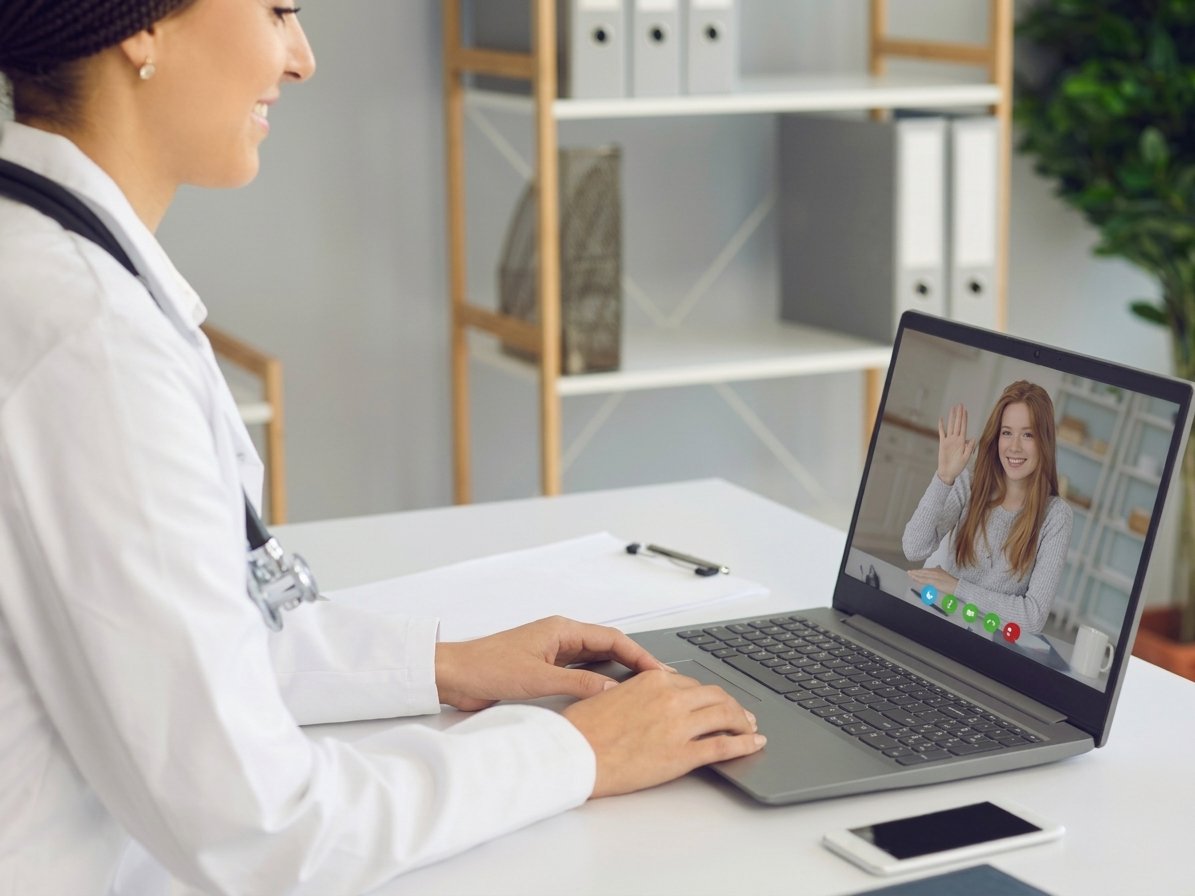
Telehealth can be a useful option for selected hypertension follow-up appointments when remote care is clinically appropriate.
During a virtual consultation, you may be able to discuss your home blood pressure readings, review medication use, talk about lifestyle changes, and ask questions about your care plan.
A healthcare professional may use your recorded readings and medical history to determine whether additional monitoring, laboratory testing, medication review, or an in-person assessment is needed.
For example, a patient who has been checking blood pressure at home may bring a record of readings to a virtual appointment. Reviewing the pattern over time can be more informative than relying on one isolated measurement.
Telehealth may also help identify practical barriers to blood pressure control, such as medication side effects, difficulty following a treatment schedule, or uncertainty about how to measure blood pressure accurately.
However, virtual appointments cannot replace every examination or diagnostic test. Some patients need in-person evaluation, laboratory monitoring, or referral to another healthcare professional.
At Ivaa Wellness & Healthcare Clinic, telehealth-focused care is intended to support appropriate assessment, patient education, and follow-up while recognizing when another level of care is necessary.
8. Understanding Blood Pressure Emergencies and When to Seek Help
Knowing when a blood pressure reading requires urgent attention is an important part of managing hypertension safely.
A reading above 180 systolic and/or above 120 diastolic mm Hg is severely elevated and should not be ignored.
If you receive a reading in this range:
- Wait at least one minute and repeat the measurement using the correct technique.
- If the reading remains severely elevated and you have no new concerning symptoms, contact a healthcare professional immediately for instructions and prompt assessment.
- If you have chest pain, shortness of breath, back pain, numbness, weakness, vision changes, difficulty speaking, or other severe or sudden symptoms, call 911 immediately.
Do not delay emergency care while trying to lower your blood pressure at home.
Even when severe readings occur without symptoms, prompt professional guidance is important. Do not take extra medication unless a healthcare professional specifically instructs you to do so.
If your readings are repeatedly above your recommended range but do not meet emergency thresholds, arrange a timely follow-up appointment to discuss them.
Your Blood Pressure Management Checklist
Use this checklist to prepare for a productive conversation with your healthcare professional.
- I know how to use my home blood pressure monitor correctly.
- I record my readings as recommended.
- I take prescribed medications according to my treatment plan.
- I understand which lifestyle changes may benefit my health.
- I have discussed potential medication side effects or missed doses.
- I know when to arrange follow-up care.
- I understand which symptoms require emergency attention.
Keeping these steps in mind can help you take an active role in your treatment and communicate more effectively with your healthcare team.
Conclusion: Take a Proactive Approach to Your Heart Health
Managing high blood pressure is not simply about obtaining one good reading. It involves understanding your risk factors, measuring blood pressure accurately, following an appropriate treatment plan, and making sustainable changes that support long-term cardiovascular health.
Regular monitoring and consistent follow-up can help you and your healthcare professional identify patterns, assess treatment progress, and make informed decisions about your care.
At Ivaa Wellness & Healthcare Clinic, our patient-focused approach emphasizes education, individualized healthcare guidance, and appropriate follow-up to help patients better understand their health needs.
If you have concerns about your blood pressure, have recently received elevated readings, or need support reviewing an existing treatment plan, consider scheduling an appointment to discuss your next steps.
Take the next step toward better heart health. Contact Ivaa Wellness & Healthcare Clinic to learn whether a telehealth consultation is appropriate for your blood pressure management needs.